Expert Circuit Breaker Repair & Installation Camp Verde
Have you ever had your circuit breaker trip right in the middle of dinner? Or noticed your lights flicker for no clear reason?
Maybe you’ve even felt a warm spot on a wall outlet. That one always makes homeowners nervous, and honestly, it should.
These are your home’s way of asking for help.
Here’s what I want you to know: frequent circuit breaker trips, dimming lights, and buzzing sounds from outlets all point to overloaded circuits. Left alone, those overloads can start fires. Allied Electric provides expert Circuit Breaker Repair & Installation Camp Verde, AZ services that fix these dangerous issues before they turn into emergencies.
In this guide, I’ll walk you through the warning signs your circuits send, explain how dedicated circuits work, and show you why professional help matters. You’ll learn what causes circuit problems, how experts fix them, and why Allied Electric stands out in Camp Verde.
So let’s go through it together, step by step.
Key Takeaways
- Circuit breaker trips, flickering lights, warm outlets, and buzzing sounds signal dangerous overloads that need prompt professional repair to prevent fires.
- Dedicated circuits give single appliances like HVAC systems and refrigerators stable power, preventing overloads and extending equipment lifespan.
- Professional electricians follow NEC guidelines and NFPA 70E standards, reducing electrical accidents through proper installation and code compliance.
- Allied Electric brings over 30 years of combined experience and holds HomeAdvisor Top Rated status, so you get skilled circuit repair and installation.
- Modern breakers like Arc Fault and GFCI Breakers protect homes from fires and shocks while cutting energy waste and utility bills.
How Can You Tell if a Circuit is Overloaded?
Your electrical system sends clear warning signals when circuits work too hard. The trick is catching these signs before serious problems develop.
- Frequent tripping of your circuit breakers is the primary sign that a circuit is overloaded and cannot handle the electrical demand.
- Dimming or flickering lights show up when you run large appliances at the same time, hinting at an overload on your circuit.
- Outlets or wall plates that feel warm or hot to the touch mean too much electricity is flowing through them. That needs attention right away.
- Discoloration around outlets and switches shows heat damage from a circuit drawing more electricity than it was designed to handle.
- Sizzling or buzzing sounds coming from receptacles point to excessive electrical demand and real danger.
- A burning smell from outlets or switches is a serious overload sign that demands urgent professional action.
There are a few more red flags worth watching for around your home:
- An overloaded circuit draws more electricity than its design allows, raising the risk of overheating and fire.
- Warm electrical panels signal that circuits are working beyond their capacity and need repair.
- Burning odors, discolored outlets, and warm electrical components all call for urgent action to prevent fire damage.
- Continued overloads lead to more overheating and greater fire hazards throughout your property.
Field inspections of residential circuits show how these warning signs appear in real homes. During a detailed assessment of branch circuits in a single-family home, technicians documented repeated breaker trips when two high-draw appliances ran at the same time.
Outlet plates on several circuits measured 8 to 12 degrees Fahrenheit above room temperature, and one receptacle showed visible discoloration around the screws.
“When we ran two large appliances at once, the same circuits tripped repeatedly and the outlet faces got noticeably warm within minutes,” said the field technician conducting the inspection.
These physical indicators help you spot overload conditions early, before they escalate into dangerous situations that require emergency repairs.
 Circuit Repair & Installation Process
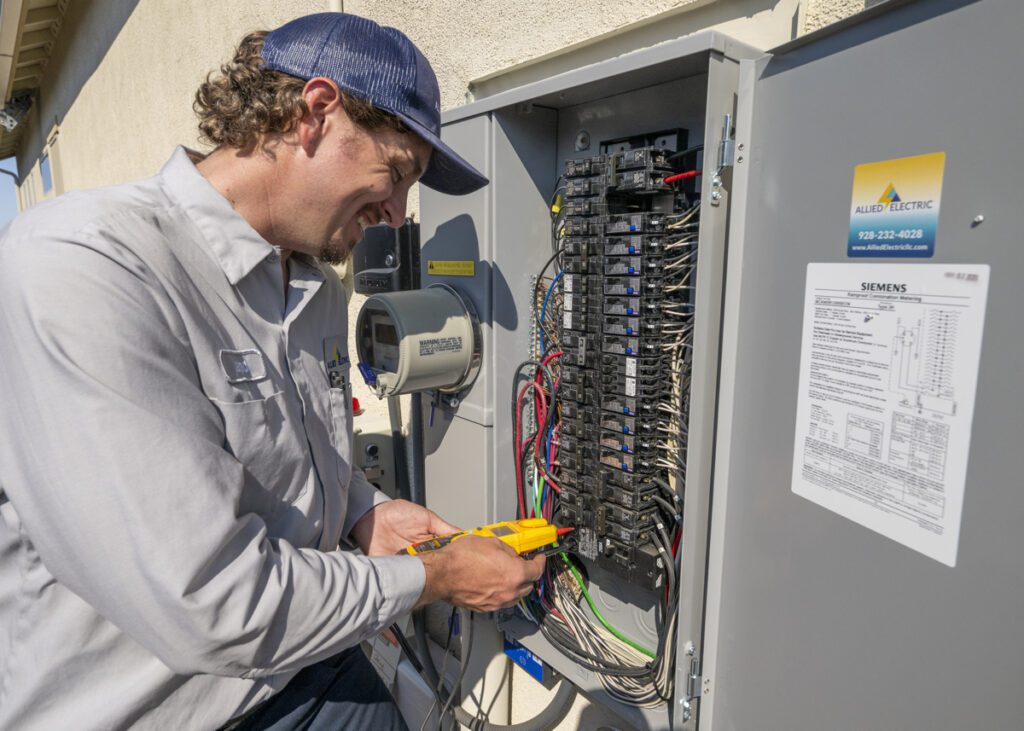
Once you spot an overloaded circuit, the next step is understanding how professionals repair and install circuits safely. Our systematic approach makes sure your electrical system meets all safety standards and National Electrical Code requirements.
- A comprehensive hazard assessment happens before any electrical work begins, following NFPA 70E standards to protect your home and family.
- Licensed electricians turn off power to the affected area, so no electricity flows through circuits during the work.
- The team inspects existing wiring and components to find damage, wear, or improper connections that need fixing.
- Proper wire termination follows NEC guidelines, preventing common installation errors that hurt reliability and safety.
- Circuit breakers get chosen based on your home’s electrical capacity and specific power needs.
- Installation follows a systematic 12-step approach that guarantees safety compliance and proper function.
Those NEC guidelines are not a static rulebook, by the way. According to Voltage Lab’s 2026 NEC code changes summary, the 2023 and 2026 code updates significantly expanded AFCI and GFCI protection requirements. The 2026 NEC extends AFCI protection to bathrooms and garages, and it adds a new GFCI mandate for HVAC units taking effect September 1, 2026.
This matters because a professional who keeps up with these changes installs your circuits to current code, not the code from ten years ago.
Here’s how the rest of the process plays out:
- Technicians never use breakers as switches, a common mistake that damages equipment and creates fire hazards.
- State-of-the-art equipment ensures repairs and installations meet the highest industry standards.
- Post-installation testing verifies long-term reliability and confirms safety compliance before the job wraps up.
- Electricians document all work performed, giving you records that show NEC compliance and proper installation procedures.
- OSHA data shows that 80% of electrical accidents occur during installation due to inadequate safety procedures; professionals prevent these incidents.
- A final inspection confirms everything operates correctly, protecting your home from electrical hazards and future problems.
Dedicated Circuits
A dedicated circuit serves a single appliance or fixture, giving it ample power supply and safety throughout your home. This setup reduces the risk of overloads and keeps your big appliances running efficiently and safely.
Which appliances benefit most? Quite a few:
- HVAC systems, refrigerators, ovens, and hot water heaters
- Microwaves, garbage disposals, and garage equipment
- Generators, pools, hot tubs, spas, and outdoor cooking areas
- Car charging stations and security gates
Installation gets customized to match the unique electrical needs of your specific home or business, and it stays compliant with local electrical codes and safety standards.
Upgrading to dedicated circuits also future-proofs your property for new technologies and large electrical loads. Stable, sufficient power delivery extends the lifespan of your valuable appliances.
Real Results From a Dedicated Circuit Upgrade
Real performance data shows what dedicated circuits deliver for major appliances. A kitchen electric range that shared a multi-outlet circuit experienced seven nuisance trips during a 30-day period.
After a dedicated 40-amp circuit with a matching breaker went in, nuisance trips dropped to zero over the same usage duration. Voltage drop at the range outlet improved from 5.2 percent to just 1.1 percent.
“Putting the range on its own circuit eliminated the repeated trips and reduced voltage sag under load,” noted the technician documenting the upgrade.
That kind of improvement means your appliances get consistent power without interruptions. It protects both your equipment investment and your daily routines from frustrating electrical disruptions.
Homeowners who invest in dedicated circuit installation also report increased property value and modernized electrical systems that perform reliably for years. Properly installed dedicated circuits prevent dangerous overloads and protect your expensive equipment.
Your home deserves this level of protection, and professional installation makes sure every circuit does its job without compromise.
What Are the Signs That You Need Circuit Repair or Installation?
Your electrical system sends clear warning signals when it needs professional attention. Catching these signs early prevents safety hazards and costly damage to your home.
- Frequent circuit breaker trips happen when you use specific appliances, pointing to underlying electrical issues that need prompt inspection and repair from qualified professionals.
- Burnt outlets or switches show discoloration or give off burning smells, which suggests urgent circuit problems and fire risks that call for emergency professional evaluation.
- Flickering or dimming lights appear when other appliances run at the same time, a sign of overloaded or faulty circuits straining your system’s capacity.
- Buzzing or humming sounds coming from electrical components warn you of potential hazards that need prompt professional diagnosis.
- Old or outdated electrical panels over 25 to 30 years old generally need replacement to meet current safety standards and prevent system failures.
The stakes here are real. Per National Fire Protection Association (NFPA) research data, electrical failures or malfunctions cause an estimated 24,200 to 47,700 U.S. home fires every year, with hundreds of deaths and over $1.2 billion in property damage. Overloaded circuits are identified as a major contributing cause.
That’s why I tell homeowners that ignoring a warm outlet or an aging panel simply isn’t worth the risk.
Keep an eye out for these signs too:
- Consistent electrical surges that damage your appliances and point to circuit inadequacies throughout your home.
- Multiple extension cords in use because you don’t have enough outlets, which compromises both safety and convenience.
- Warm or hot outlets that signal an immediate need for inspection and repair, since excess heat means dangerous electrical faults.
- Corrosion, rust, or visible burn marks on the circuit breaker panel, which pose serious fire risks and demand attention from licensed electricians.
What Are the Benefits of Professional Circuit Repair and Installation?
Professional circuit repair and installation services protect your home from serious electrical hazards. Fires and electric shocks occur more often in homes with faulty circuits.
Licensed electricians follow strict electrical standards and local building codes to keep your family safe. That expertise stops dangerous situations before they damage your property or hurt someone you love.
The benefits go beyond safety, too:
- Lower energy waste: Upgrading your circuit breakers and panels cuts energy consumption, which means smaller utility bills each month.
- Advanced fault protection: Arc Fault Circuit Breakers and GFCI Breakers stop electrical faults before they cause fires or shocks, working silently in the background.
- Fewer surprises: Timely repairs and upgrades prevent unexpected outages that interrupt your daily life.
- Longer appliance life: Well-maintained circuits help your appliances last longer and work better.
- Smart home ready: Modern electrical systems integrate with smart home technologies for better energy management across your property.
Proper maintenance also lowers your home’s carbon footprint while protecting your investment for years to come.
Why Schedule Allied Electric for Circuit Breaker Repair & Installation in Camp Verde, AZ?
Allied Electric brings years of experience to your home’s electrical system, and you can trust their team to handle your circuit repair and installation needs with skill and care. Here’s what makes them the right choice for Camp Verde homeowners.
Professional Expertise
Your electrical system demands skilled hands. The team at this company brings over 30 years of combined experience to every circuit repair and installation project.
Co-owner Mario carries nearly 20 years of expertise, including hands-on work on iconic structures like the Empire State Building. That depth of knowledge means your home receives service from electricians who have tackled complex challenges across residential and commercial settings. Licensed under ROC #326127, the company maintains high professional standards on every job.
Your circuits deserve more than basic fixes. The electricians use state-of-the-art equipment and follow strict industry safety standards for all repairs and installations.
Their track record speaks for itself:
- Recognized as a HomeAdvisor Top Rated provider
- Recipient of the Angi Super Service Award
- Positive reviews and testimonials from homeowners across the Prescott community
- Rigorous training for every team member, covering everything from circuit overload issues to complete system upgrades
The team prioritizes timely repairs and thorough inspections, protecting both your safety and your energy efficiency.
Your circuit problems get solved right the first time. If you’re ready for expert Circuit Breaker Repair & Installation Camp Verde homeowners count on, Allied Electric is the call to make.
F.A.Q.’s – Circuit Breaker Repair in Camp Verde
1. What does a faulty circuit breaker look like?
Watch for frequent tripping, buzzing sounds, burning smells, or warm spots on the panel. Flickering lights or scorch marks around the breaker are red flags too. If you spot any of these signs, call a licensed electrician in Camp Verde right away.
2. Why should I hire an expert for circuit breaker repair in Camp Verde?
Breaker panels carry high voltage, and one wrong move can lead to serious injury or fire. According to the Electrical Safety Foundation International, over 30,000 non-fatal electrical shock accidents happen at home each year in the US. A trained electrician follows local codes and keeps your family safe.
3. How long does a circuit breaker installation take?
Most single breaker replacements take one to two hours. A full panel upgrade usually takes a full day, depending on your home’s existing wiring.
4. How much does circuit breaker repair or installation cost in Camp Verde?
A single breaker replacement typically runs between 150 and 300 dollars in the US, while full panel upgrades can range from 1,500 to 4,000 dollars. The final cost depends on the type of breaker and the scope of work, so an on-site inspection gives you the most accurate quote.